

Renters’ Rights Act 2026: 31 May Deadline That Could Cost You £7,000
The UK rental market is facing its biggest shake-up in 40 years. If you manage property in England, achieving Renters’ Rights Act 2026 compliance before the 31 May 2026 deadline is a date you cannot afford to miss. Failing to provide the correct paperwork to your tenants by this date could result in a civil penalty of up to £7,000.
Private landlords must prioritize Renters’ Rights Act 2026 compliance to avoid the new 24-month RRO penalties
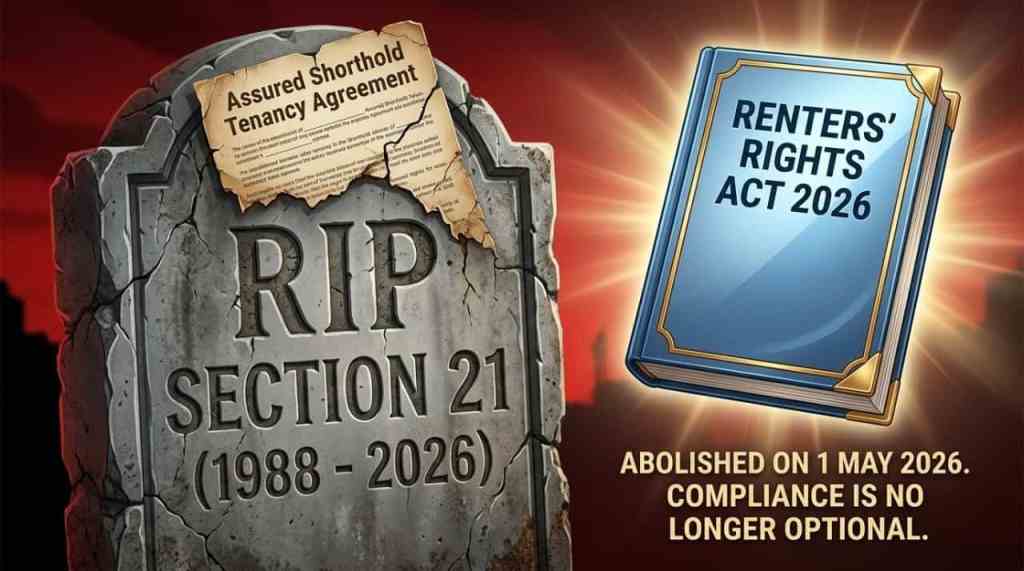
The 31 May Deadline for Renters’ Rights Act 2026 Compliance
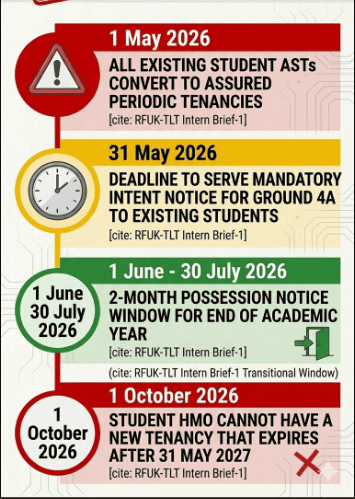
By 31 May 2026, landlords must give all existing tenants a government-issued Renter’s Rights Act Information Sheet 2026. This applies to any assured or assured shorthold tenancy (AST) created before 1 May 2026 that has a written record of terms.
Mandatory Delivery Rules for Legal RRA Compliance:
- No Links: ⚠️ CRITICAL: Web links (text/email) are legally INVALID. Use PDF attachments or Hard Copies only.
- Valid Methods: You must provide a physical hard copy (hand-delivered or posted) or send the actual PDF as an email or text attachment.
- Who gets it: Every tenant named on the agreement must receive a copy.
Landlord Compliance Checklist 2026 – Free Download England
Issuing the correct Information Sheet is the first step toward full Renters’ Rights Act 2026 compliance.“.
Table of Contents
Old Rules vs. New RRA 2026 Rules
The Renters’ Rights Act 2025 introduces the most significant changes to English rental law in 40 years. Effective from 1 May 2026, the traditional Assured Shorthold Tenancy (AST) system will be replaced by a single, unified system of Assured Periodic Tenancies (APT).
Below is a detailed comparison and a breakdown of the key changes landlords and tenants must understand.
Comparison Table: Old Rules (AST) vs. New Rules (APT)
| Feature | Pre-May 2026 (AST) | Post-May 2026 (APT) |
| Eviction Mechanism | Section 21 “No-fault” allowed; no reason needed to evict. | Section 21 abolished; landlords must prove a legal “Possession Ground”. |
| Tenancy Structure | Fixed-term contracts (e.g., 6 or 12 months) were common. | All tenancies are Periodic/Rolling from day one with no end date. |
| Rent Increases | Often done via Review Clauses within the tenancy agreement. | Section 13 only; landlords must use the new Form 4A. |
| Increase Frequency | Flexible, depending on the contract terms. | Strictly limited to once every 12 months. |
| Tenant Notice | Usually 1 month for periodic tenancies. | Mandatory 2 months’ notice at any time. |
| Rent in Advance | No legal limit; landlords could ask for 6–12 months. | Capped at a maximum of 1 month’s rent. |
| Pet Requests | Landlords could refuse pets without providing a reason. | Landlords cannot unreasonably refuse a pet request. |
| Rental Bidding | Bidding wars often encouraged above asking price. | Illegal to invite, encourage, or accept bids above advertised rent. |
| Discrimination | No specific ban on refusing those on benefits/with children. | Illegal to discriminate against families or benefit recipients. |
Detailed Breakdown of Changes
1. The Unified Tenancy Model
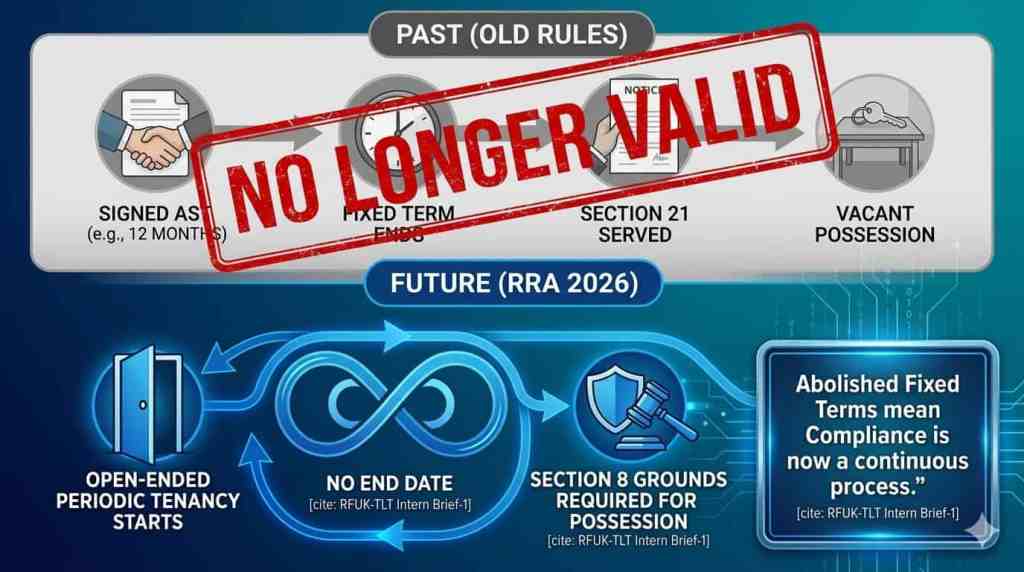
From 1 May 2026, fixed-term tenancies will no longer exist in the private sector. Every new and existing AST will automatically convert into an Assured Periodic Tenancy. These tenancies roll monthly (or weekly, matching the rent period) and continue indefinitely until ended by the tenant’s notice or a court order.
2. Possession and Eviction (Section 8 Grounds)
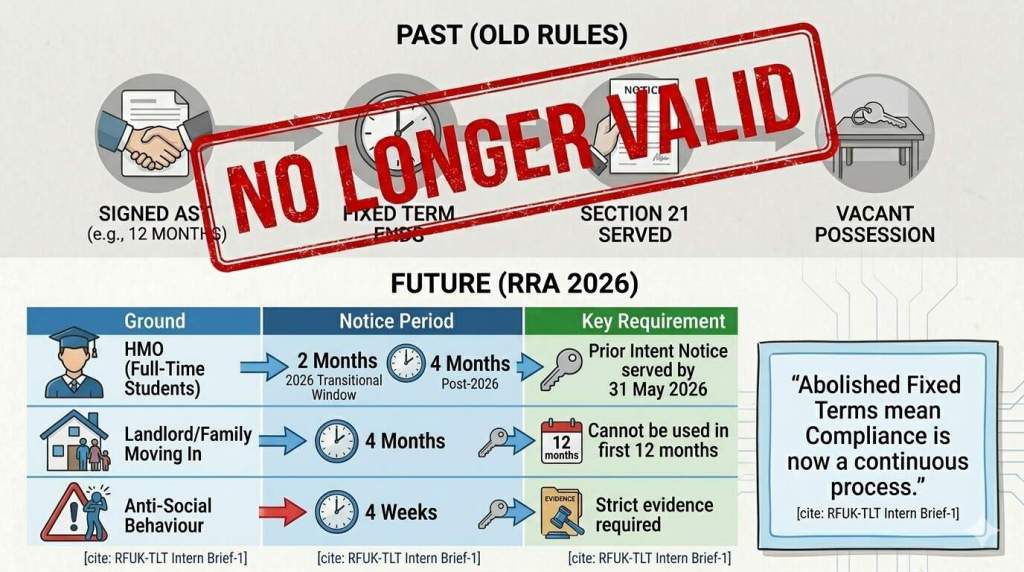
With Section 21 gone, landlords can only regain possession using specific grounds under Section 8.
- Mandatory Grounds: These include the landlord wanting to sell the property (Ground 1A) or move themselves/family into it (Ground 1). These grounds require a 4-month notice period and cannot be used in the first 12 months of a tenancy.
- Rent Arrears: The mandatory ground for arrears (Ground 8) now requires 3 months of unpaid rent (up from 2), with a 4-week notice period.
3. Rent Control and Increases
Landlords can no longer include automatic rent review clauses in contracts. To increase rent, they must serve a Section 13 notice (Form 4A), providing at least 2 months’ notice. Tenants can challenge any increase at a tribunal if they believe it exceeds local market rates.
4. Financial Barriers and Bidding
To make renting more accessible, the Act prohibits landlords from asking for more than one month’s rent in advance. Furthermore, landlords must advertise a set price and are banned from “rental bidding wars”—they cannot accept any offer higher than the advertised rent.
5. Rights to Pets and Non-Discrimination
Tenants now have a legal right to request a pet, which a landlord must respond to within 28 days. Refusal must be “reasonable” (e.g., if a superior lease forbids it). Additionally, landlords are prohibited from refusing viewings or tenancies based on the applicant having children or receiving housing benefits.
Immediate Action for Landlords
The most critical task for landlords with existing written tenancies is to serve the Renters’ Rights Act Information Sheet 2026 to all tenants by 31 May 2026. This must be served as a physical copy or a PDF attachment (not a link) to avoid a £7,000 fine.
The Shift from Section 21 to Section 8
The abolition of Section 21 means you can no longer end a tenancy without a specific legal reason. To regain possession, you must now use Section 8 grounds, such as:
- Ground 1 & 1A: Wanting to sell the property or move in yourself (requires 4 months’ notice and cannot be used in the first year).
- Ground 8: Serious rent arrears (now requires 3 months of arrears instead of 2).
- Ground 4A: Specifically for student HMOs to recover the property at the end of the academic year.
Even for student HMOs, Renters’ Rights Act 2026 compliance remains a non-negotiable requirement under Ground 4A.
With these changes affecting property values, it is a good time to Get an instant property valuation from The London Tenant to see where your portfolio stands.
Renters’ Rights Act 2026 Compliance Checklist
Landlords now need a robust “audit trail” to prove they are following the law. If you don’t have the right documents, you may be barred from using possession grounds in court.
- Written Statement of Terms: For any new tenancy from 1 May or existing verbal agreements, you must provide a written record of terms by 31 May 2026.
- Rent Increase Limits: Rents can only be raised once every 12 months using the new Form 4A, with a minimum of 2 months’ notice.
- Rental Bidding Ban: You must publish a set asking rent. Accepting or encouraging offers above this price is now illegal.
- Right to Request Pets: You cannot unreasonably refuse a pet request and must respond within 28 days.
- Awaab’s Law: You must investigate damp and mould issues within 14 days and address emergency hazards within 24 hours.
If you are looking to streamline your property management, you can Scale your company with MayaOps Property and Cleaning Operations.
Final Advice
The “hobbyist” landlord era is over. Compliance is now document-heavy and strictly enforced. Ensure your records for safety certificates, EPCs, and tenant communications are impeccable to avoid fines that can reach up to £40,000 for repeat offences.
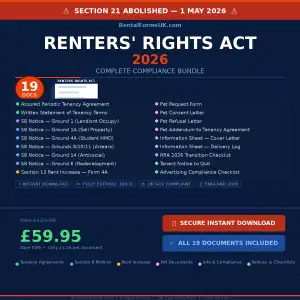
Our 19-document bundle is specifically designed to guarantee your Renters’ Rights Act 2026 compliance from day one.


